
Understanding Brain Injury
What Is a Brain Injury?
A brain injury is damage to the brain that happens after birth. It can happen suddenly, such as in a car crash or a stroke. It can also develop over time, such as with a tumor.
There are two main types:
- Traumatic brain injury (TBI). Caused by a bump, blow or jolt to the head, or by an object that enters the head.
- Acquired brain injury. Caused by something inside the body, such as a stroke, a tumor, an infection or a lack of oxygen.
No Two Brain Injuries Are the Same
Every person has a different set of challenges. Some effects last a few weeks. Others last a lifetime. Many effects can't be seen. A person may look fine and still struggle with memory, energy, mood or planning.
Recovery and Support

What Recovery Can Look Like
Recovery isn't a straight line. There are good days and hard days. Many people keep making progress for years.
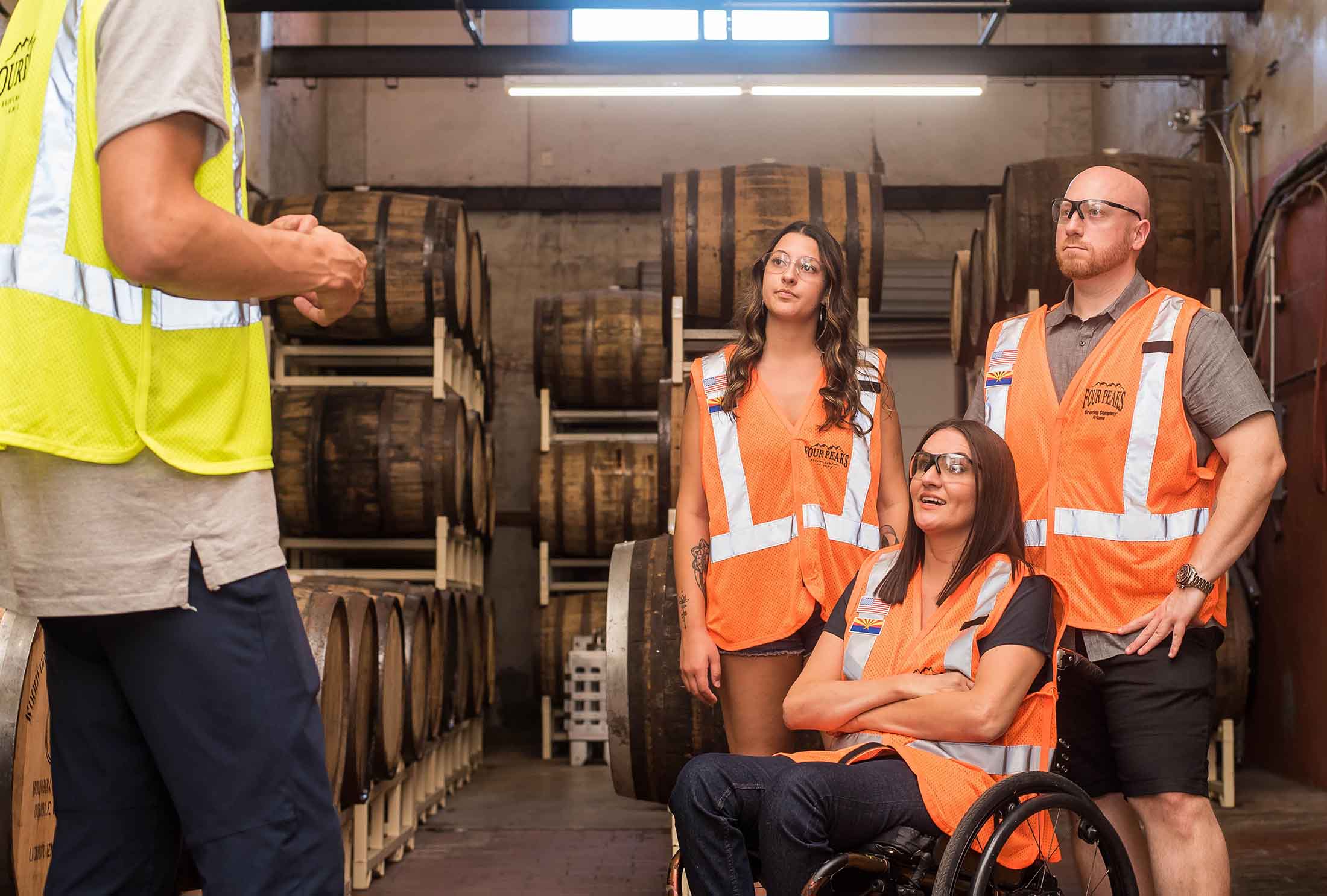
With support, people learn new ways to do everyday tasks, build steady routines and set new goals. Recovery often includes family and friends too.
When to Get Medical Help
If you think you or someone else has a head injury, see a doctor. Call 911 right away for warning signs such as a headache that gets worse, repeated vomiting, a seizure, confusion, trouble waking up, weakness or numbness, or slurred speech.
Support After the Hospital
Many people get good medical care. Once they are home, they often find few resources for everyday life. Many have to relearn tasks like grocery shopping, using a phone or getting to work. Brain Injury Solutions fills this gap with free, local support.
Traumatic Brain Injury (TBI)
A traumatic brain injury is caused by a bump, blow or jolt to the head. It can change how a person thinks, feels and acts. It can happen to anyone at any age.
What Is a TBI?
A TBI happens when force to the head disrupts how the brain works. Not every hit to the head causes a TBI. A TBI can also happen when an object goes through the skull.
Doctors often describe TBIs as mild, moderate or severe. A mild TBI is also called a concussion. Even a mild TBI can cause problems that last. Don't ignore symptoms because the injury seemed small.
Common Causes
- Falls
- Car, motorcycle, and bicycle crashes
- Being struck by a car or an object
- Sports and recreation injuries
- Violence, including firearm injuries
- Child abuse
- Near drowning
How a TBI Can Affect Everyday Life
Every person is different. Here are examples of what families tell us:
- Forgetting appointments or what was said in a conversation
- Feeling tired much faster than before
- Getting overwhelmed in noisy or busy places
- Struggling to plan, start or finish tasks
- Having a shorter temper or feeling sad or anxious
- Losing balance or having trouble with vision
These changes are real. They are not laziness or a bad attitude.

How Brain Injury Solutions Helps
- Case Management: a case manager helps you set goals and connects you to the right help.
- Community Living Connection (CLiC): free online groups to build skills and connection.
- Outreach and Advocacy: talks for community groups, schools and professionals, plus advocacy for survivors and families.
- Behavioral Health Therapy (BHT): clinical support for adult survivors and their families with the emotional and behavioral changes that can follow a brain injury.
- Community Support Specialist Services (CSSS): one-on-one training in everyday living skills to build independence.
- Providing a Link for Survivors (PALS): a friendly volunteer for outings and good company.
- Support Groups: free groups across our region and online to connect with others who understand.
For Family Members
Seeing someone you love change after a TBI can be scary and exhausting. You don't have to figure it out alone. Explore our resources for families, or call us. We can help you find the next step.
Preventing Head Injuries
Simple steps can lower the risk of head injury: wear a helmet for biking and sports, use seat belts and car seats, and remove tripping hazards at home.
Stroke & Acquired Brain Injury
An acquired brain injury is damage to the brain from something inside the body, not from a blow to the head. A stroke is one of the most common types.

What Causes an Acquired Brain Injury?
- Stroke: blood flow to part of the brain is blocked or a blood vessel bursts.
- Brain tumor: growths in or near the brain, and the treatment for them.
- Infection: such as meningitis or encephalitis.
- Lack of oxygen: for example after cardiac arrest, choking or near drowning.
- Poisoning or toxic exposure: including drug overdose.
- Other illness: such as seizures or swelling in the brain.
How It Can Affect Daily Life
The effects can look a lot like those of a TBI: memory problems, trouble concentrating, tiredness, changes in mood, and trouble with speech or movement. Because the cause is inside the body, many people don't realize their challenges are related to a brain injury.
What Is a Stroke?
A stroke happens when blood can't reach part of the brain. This can be because a blood vessel is blocked or because it bursts. Brain cells that don't get blood begin to die.
Know the Signs. Act Fast.
If you have medical records showing a brain injury, live in our service area and want support, you can apply. Services are free, and we'll help you with the application.
Call 911 right away if you see any of these signs:
- Balance: sudden loss of balance or dizziness
- Eyes: sudden vision changes
- Face: one side of the face droops
- Arm: one arm is weak or numb
- Speech: slurred or strange speech
- Time: time to call 911
BIS works alongside your doctors and therapists. We do not replace medical care or rehab. We help with life after treatment.
How BIS Helps Stroke Survivors
- A case manager works with you at home and in the community.
- You can set goals, such as getting around, managing medications or making social connections.
- You can join online groups or a PALS friendship.
- Your family gets education, advocacy and support.
Whatever the cause, many people need help with the same things: building routines, managing daily tasks, getting services and finding a path forward.
Common Effects of Brain Injury
Effects are different for every person. They often show up in three areas of life:
Thinking and Communication
- Speaking and understanding language
- Learning and remembering new things
- Paying attention and concentrating
- Planning, judgment and making decisions
- Adjusting to change
- Getting organized and getting started
Feelings, Behavior and Relationships
- Self-esteem and mood
- Seeing how symptoms affect yourself and others
- Understanding unspoken social rules
- Family relationships
- Appearance and grooming
Body and Senses
- Vision, hearing and speech
- Balance, strength and coordination
- Energy and endurance
- Getting around
Not Sure if BIS Can Help?
Our services are free. Apply online, or call 540-344-1200 to talk with our team about your next step.
Life After Brain Injury
Rebuilding life takes time. Here are the areas many people and families work on, and how BIS can help.
Independence
What you may notice: Everyday tasks like cooking, shopping or paying bills feel harder than before.
What can help: Break tasks into small steps. Use lists, alarms and routines. Practice one skill at a time.
How BIS can help: Your case manager and a Community Support Specialist can help you relearn tasks or find new ways to do them.
Employment
What you may notice: Going back to the same job may be hard. Fatigue, memory or focus may be different.
What can help: Start slowly. Ask about workplace accommodations. Look at new kinds of work.
How BIS can help: BIS does not provide job coaching, but your case manager can help you plan and connect you with the Department for Aging and Rehabilitative Services and supported employment agencies.
Relationships
What you may notice: Family roles may change. Friends may drift away. Talking with others can feel harder.
What can help: Be open about what has changed. Plan shorter, quieter visits. Take part in groups where people understand.
How BIS can help: CLiC groups and PALS friendships build connection. Families can join meetings with the case manager.
Transportation
What you may notice: Driving may not be safe right now. Getting to appointments and work can be a challenge.
What can help: Learn about local rides, public transit and volunteer drivers.
How BIS can help: Your case manager helps you find transportation solutions. BIS may be able to help pay for some transportation tied to your plan if funds are available.
Housing
What you may notice: Money, safety or daily needs make it hard to keep or find a home.
How BIS can help: Case managers help with housing solutions and connect people to shelter services and benefit programs.
Community Participation
What you may notice: It can be easy to stay home and feel alone.
What can help: Start with one activity you enjoy.
How BIS can help: PALS, support groups, events and volunteer opportunities help you get back into community life.
Cognitive Changes
What you may notice: Memory, attention and planning feel different.
What can help: Use a calendar, keep a routine, reduce distractions and rest often. Ask others to slow down and repeat.
How BIS can help: CLiC builds thinking skills and coping strategies. Case managers can connect you with therapies and assistive technology.
Finding a New Normal
Many people say their life is different after a brain injury, and that it can still be good. It can help to grieve what has changed, celebrate small wins and ask for help.
If sadness, worry or anger are getting in the way, tell your case manager or doctor. Support is available.
Resources for Families
Everything in one place. Find support groups, care providers and trusted organizations without searching through program pages.
Find Help Now
- In an emergency, call 911.
- For emotional distress or thoughts of self-harm, call or text 988 (Suicide & Crisis Lifeline).
- For Brain Injury Solutions services, call 540-344-1200 or toll-free 866-720-1008.
Helping a Family Member
Be patient. Break tasks into small steps. Ask what helps. Take care of yourself too. Our resource library lists local therapy providers, equipment programs, support groups and advocacy organizations across Virginia.
Help Survivors Rebuild Their Lives
Send us a Message
Our Donors